Caller Identification Question Portal How Can I Check a Spam Number Explaining Verification Methods

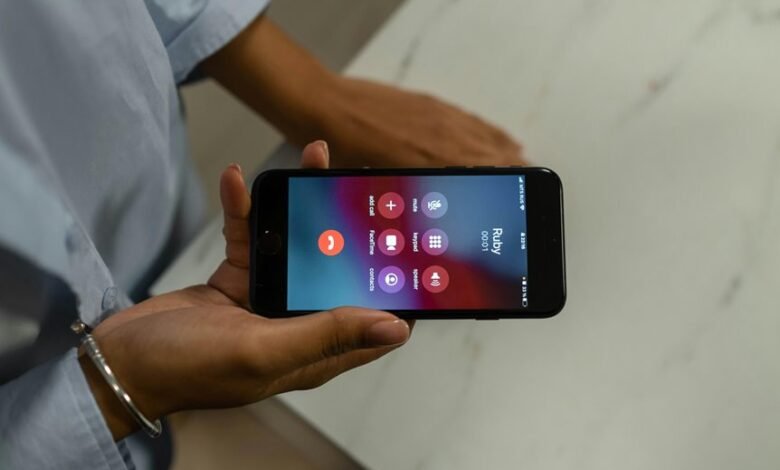
The discussion centers on a Caller Identification Question Portal that evaluates a spam number through verification methods. It outlines confirming the caller ID against trusted databases, cross-checking recent activity, and timing for anomalies. It notes audio cues, rapid dialing, and IVR prompts as indicators. Evidence-based steps include logging findings and requesting callbacks via official channels. The framework aims to decide whether to answer, block, or report, but it leaves a practical gap that motivates further scrutiny.
What Is a Spam Call and How Caller ID Helps
A spam call is a telephone communication aimed at soliciting information, promoting products, or spreading scams without the recipient’s consent, often delivered by automatic dialing methods or fake caller IDs.
The phenomenon interferes with legitimate communication, yielding risk assessment for users and networks.
Spam calls exploit caller ID manipulation, undermining trust; effective defenses require authentication, call-pattern analysis, and transparent labeling to empower informed decisions about handling unknown numbers.


Quick Verification Methods You Can Use Now
Quick verification methods can be applied immediately to assess unknown calls. The approach relies on rapid checks: caller ID consistency, recent activity patterns, and cross-referenced spam trends across reputable databases. Immediate actions include verifying numbers via trusted apps, requesting callbacks through official channels, and logging anomalies for trend analysis. These practices support informed decisions while maintaining user autonomy and privacy. quick verification, spam trends.
Red Flags and Pattern Clues That Signal Spam
Red flags and pattern clues that signal spam emerge from consistent operational indicators and caller behavior. The analysis identifies unwanted calls by irregular call timing, high frequency, and uncertain call origins, while spoofing patterns reveal deliberate disguise of caller identity. Evidence-based patterns include inconsistent metadata, rapid dial cycles, and atypical IVR prompts, supporting technical discrimination without conflating legitimate outreach with deceptive activity.
Step-by-Step Verification Workflows for Different Scenarios
Step-by-step verification workflows across scenarios typically begin with identifying the call context, then applying a structured sequence of checks to confirm legitimacy or flag risk.
The approach details how to verify caller identity, cross-referencing caller IDs, audio cues, and behavior patterns.
It highlights spam call patterns, corroborating data sources, and artifact analysis to enable accurate risk assessment and informed action.
Conclusion
A robust caller identification workflow combines trusted ID checks, recent activity patterns, and credible trend data to label numbers accurately. By cross-referencing official databases, timing anomalies, and audio cues, analysts can decide to answer, block, or report. For example, a hypothetical bank call matched to a known phishing pattern through rapid dialing and atypical IVR prompts would be flagged, logged, and routed to the caller’s official channel for verification rather than immediate contact. This reduces risk and strengthens verification integrity.