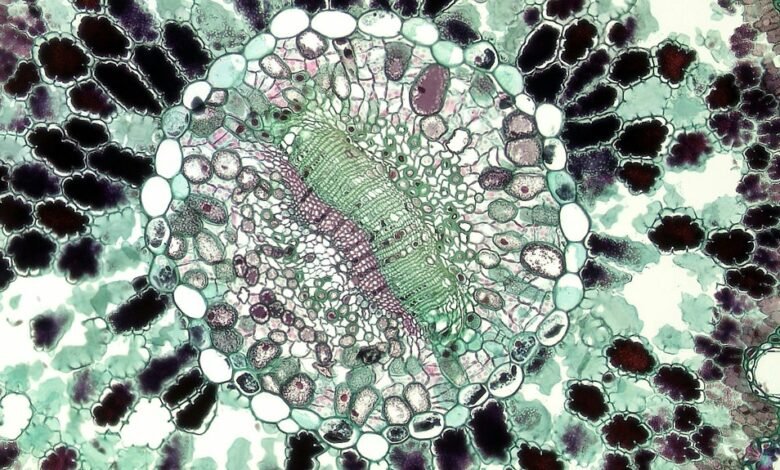
Academic Study Insight Hub Histologi clarifies how to search for histology topics with rigor and purpose. It emphasizes establishing objectives, using disciplined terminology, and validating sources across repositories and journals. The approach guides users from broad tissue concepts to specific visualization techniques, ensuring reproducible workflows and exam-ready insights. By framing queries through a context-to-specific lens, it invites ongoing refinement and sets a clear path for reliable, concise results that encourage further inquiry.
How to Start Histology Searches With Confidence
Navigating histology searches effectively begins with a defined objective and a structured query strategy, ensuring that investigations progress from broad context to specific phenomena. The analysis emphasizes how to start histology with deliberate framing, avoiding ambiguity. Confidence building arises through explicit terms, validated sources, and iterative refinement; disciplined terminology and methodical search patterns foster rigorous, independent inquiry and reliable, reproducible results.
Identifying Core Histology Concepts You Need to Know
Core histology concepts must be clearly delineated to ground effective study: the anatomy of tissues, the functional implications of cellular organization, and the standard histological techniques used to visualize structure. The discussion identifies core concepts and cultivates visual literacy, emphasizing structural-context integration, tissue-specific paradigms, and nomenclature precision. This framework supports autonomous inquiry while preserving analytical rigor and conceptual clarity for informed, freedom-minded learners.
Evaluating Sources: Where to Find Reliable Histology Reference Material
Evaluating sources for histology requires a disciplined appraisal of authority, accuracy, and currency to ensure reliable reference material.


The discussion identifies established repositories, peer-reviewed journals, and institutional guidelines as dependable conduits, emphasizing traceable authorship and methodological transparency.
Researchers assess source credibility through cross-verification, edition recency, and citation networks, ensuring reliable references while maintaining intellectual freedom and precision in scholarly inquiry.
Turning Visuals Into Exam-Ready Insights: Practice and Application
What concrete steps transform histology visuals into exam-ready insights, and how can these practices be standardized for consistent performance? Systematic annotation of histology visualization, structured note-taking, and regular retrieval practice establish reproducible workflows. Standardization via rubrics and checklists ensures comparability. Focused pattern recognition, rapid cross-referencing, and concise rationale yield exam ready insights, reinforcing disciplined study habits without ambiguity or redundancy.
Conclusion
Histology exploration blends clarity with complexity, like a map and its legend. Structure and precision accompany curiosity; rigor and relevance walk hand in hand. Core concepts anchor inquiry, while validated sources ensure trust, yet curiosity pushes beyond citations. Visuals, annotated and standardized, translate junctions of tissue architecture into exam-ready insight. Juxtaposing macro intent with micro detail reveals how methodical search discipline yields reproducible conclusions. In disciplined study, confidence emerges from disciplined practice and verifiable evidence.