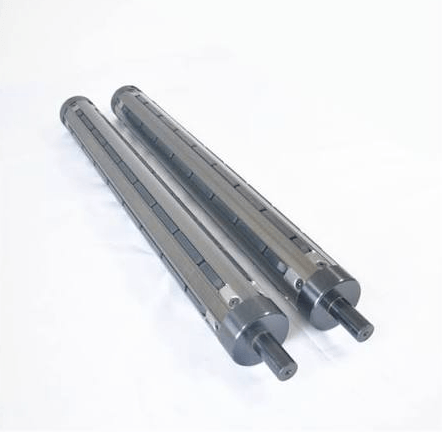
For production managers overseeing roll handling operations, air expanding shafts represent one of those pieces of equipment that rarely get much attention until something goes wrong. Yet the right shaft selection can meaningfully affect changeover times, product quality, and overall line efficiency, making it worth understanding the fundamentals even for those who don’t specify equipment directly.
The Basic Function of Air Expanding Shafts
An air expanding shaft uses compressed air to inflate internal rubber or bladder mechanisms that push outward against the inside of a roll core, creating a secure grip that holds the material in place during winding or unwinding operations. Releasing the air pressure allows the mechanism to contract, enabling quick removal of the finished roll and rapid loading of a new core, which significantly reduces changeover downtime compared to older mechanical clamping systems.
Why Changeover Speed Matters for Production Efficiency
In high-volume production environments, the cumulative time spent on roll changeovers throughout a shift can add up to a substantial portion of total downtime. An industrial air expanding shaft that allows operators to complete changeovers in seconds rather than minutes can translate into meaningful throughput gains over the course of a full production shift, particularly in operations that process shorter roll lengths requiring frequent changeovers.

Selecting the Right Shaft Configuration
Choosing an appropriate air expanding shaft involves matching core diameter compatibility to the specific roll cores used in your production process, along with confirming that the shaft’s maximum torque rating exceeds the actual torque demands of your winding or unwinding process, including any startup torque spikes that occur when equipment first engages a new roll.
Shaft length also needs to accommodate the maximum web width your production line handles, while leaving appropriate clearance for machine framework and bearing supports at each end of the shaft.
Compatibility With Existing Equipment
Production managers considering an equipment upgrade should confirm that any new air expanding shaft integrates properly with existing bearing housings, air supply connections, and control systems already in place on the production line. Retrofitting an incompatible shaft design can introduce unexpected downtime and cost, undermining the efficiency gains the upgrade was intended to deliver.
Maintenance Requirements for Reliable Operation
Air expanding shafts require periodic maintenance to sustain reliable performance over years of continuous use, including regular inspection of the internal air bladders or expansion segments for wear, verification that air seals maintain pressure without leakage, and lubrication of any moving mechanical components as specified by the manufacturer.
Establishing a routine maintenance schedule, rather than waiting for visible performance issues to emerge, tends to reduce the frequency of unplanned downtime caused by shaft failures during active production runs.
See also: Medical Clinic Discovery Guide Läjetskliniken Revealing Healthcare Service Searches
Working With Knowledgeable Suppliers
Given the range of available configurations and the importance of proper specification, working with suppliers who can provide detailed technical guidance based on your specific production requirements, rather than generic off-the-shelf recommendations, generally results in better long-term equipment performance and fewer compatibility issues during installation.
Conclusion
Air expanding shafts play a quietly essential role in efficient roll-to-roll production operations. Careful attention to specification, compatibility, and ongoing maintenance ensures this equipment continues delivering the changeover speed and reliability that modern production environments depend on.
FAQs
Q1: How much can air expanding shafts reduce changeover times? Compared to older mechanical clamping systems, air expanding shafts typically reduce changeover times from several minutes to just seconds per roll change.
Q2: What should I check before replacing an existing shaft? Confirm compatibility with existing bearing housings, air supply connections, and control systems to avoid unexpected integration issues during installation.
Q3: How often do air expanding shafts need maintenance? Regular inspection intervals depend on production intensity, but periodic checks of air seals, expansion mechanisms, and lubrication are recommended to maintain reliable performance.