My Cold Plunge + Sauna Routine After 6 Months is worth evaluating through the homeowner’s real week, not a perfect catalog photo. The best setup is the one that gets used, stays safe, and does not become a maintenance headache.
The moment that sold me wasn’t the first sauna session or even the first cold plunge. It was a Tuesday in February, standing barefoot on my patio in Austin at 6:40 a.m., watching steam roll off my shoulders while my neighbor Brian walked his golden retriever past the fence. He stopped, stared, and said, “Mike, you look like a lobster that just escaped a pot.” I’d just come out of 19 minutes at 194 degrees and was about to step into 42-degree water. Brian thought I was losing it. My resting heart rate had dropped eight beats per minute in three months. I was sleeping better than I had since my twenties. I wasn’t losing anything.
I bought the sauna first. Three months later I added the cold plunge. Six months in, this combined routine is the most consistent wellness habit I’ve ever kept. Here’s what the protocol actually looks like, what shifted, and what I’d tell someone who’s thinking about it.
Important note before I get into it: contrast therapy involves real cardiovascular load. Anyone with heart conditions, high blood pressure, pregnancy, or Raynaud’s syndrome should talk to a physician before starting a cold plunge routine. I’m not a doctor. This is one person’s protocol.


What the Actual Sessions Look Like
Five days a week. Usually mornings, sometimes evenings.
Pre-session: 16 ounces of electrolyte water 30 minutes before. Use the bathroom. Light stretching.
Sauna round one: 15 to 20 minutes at 190 to 195 degrees. Seated or lying down on the upper bench. Slow nasal breathing. No phone, no podcast, no audio. Just silence.
Cold plunge round one: 2 minutes at 42 degrees. I do the first 30 seconds with breath holds, then settle into nasal breathing for the remaining 90 seconds.
Rest: 3 to 5 minutes air-dry on a towel. Heart rate comes back down. Wait until I feel normal before round two.
Sauna round two: 10 to 15 minutes at the same temperature.
Cold plunge round two: 90 seconds.
Rest: Done. Drink another 16 ounces of electrolyte water.
Total time: 50 to 65 minutes. Two rounds is my sweet spot. Three rounds works on weekends when I have time.
The Equipment That Makes It Repeatable
Outdoor sauna: 6-person cabin with an 8kW electric heater. Cost about nine thousand dollars all in, including the electrical work.
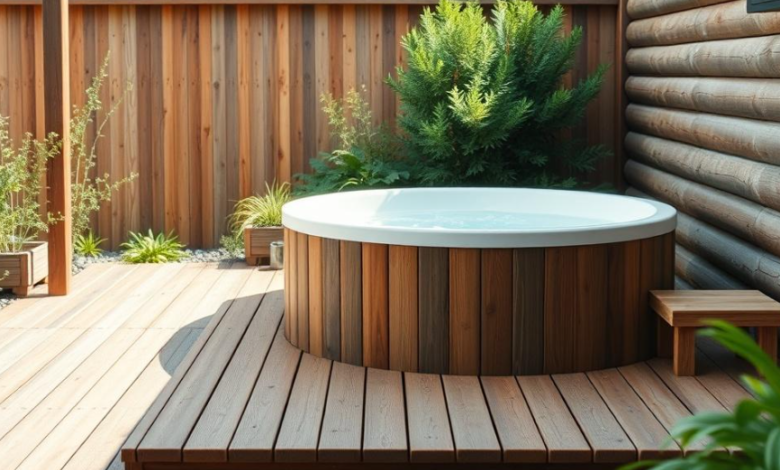
Cold plunge: An insulated tub with a chiller that holds 40 to 50 degree water consistently. The chiller matters in summer. Ice melts embarrassingly fast when ambient temperatures are over 70 degrees.
I bought the Sweat Decks cold plunge tub with the upgraded chiller. The temperature stays where I set it whether it’s January or August. That consistency is the whole point; you can’t build a habit around a variable you can’t control.
A stock tank with ice works too if you’re on a budget. Plan to dump in 40 to 80 pounds of ice per session in summer, which gets expensive and tedious fast. It’s like committing to a gym membership where you also have to build the gym every morning.
What Actually Changed in 6 Months
Sleep. This is the biggest one. Falling asleep is faster. Staying asleep is more consistent. My Whoop data shows deep sleep up roughly 18 percent on plunge days versus non-plunge days. That’s not marginal. That’s the difference between waking up rested and waking up okay.
Resting heart rate. Down from 64 to 56. I attribute most of this to the cardiovascular conditioning from sauna and the parasympathetic recovery from cold.
Stress recovery. Hard to quantify, but I notice it. The default emotional reaction to small frustrations is more measured. Whether this is the routine itself or the daily 50 minutes of meditation-like silence, I honestly can’t separate.
Body composition. Lost about 4 pounds over 6 months without changing diet meaningfully. Cold exposure activates brown fat, which burns calories for thermogenesis. The effect size is small but real. Nobody’s getting shredded from cold plunges alone.
Joint pain. I’m 39 and lifted heavy through my 20s. Some lingering shoulder and lower back issues. Contrast therapy seems to reduce inflammation in a way that NSAIDs never did. I rarely need ibuprofen anymore.
Mood. Steadier. The cold plunge in particular produces a noticeable mood lift for hours afterward. The mechanism may be norepinephrine release. Whatever it is, it’s reliable. It’s the one effect my wife noticed before I even mentioned it.
What Didn’t Budge
Cardio performance. My VO2 max from cycling tests is roughly unchanged. The sauna research suggests it should improve with sufficient duration, but six months at my dose hasn’t moved that needle.
Strength. Neither sauna nor cold appears to affect strength training meaningfully in my data.
Skin. I read a lot about cold plunge improving skin appearance. I can’t honestly say I see a difference. Maybe with longer-term use. Maybe it’s wishful thinking in the articles I was reading.
Every Stupid Mistake I Made Early On
Starting too cold. First plunge was at 38 degrees for 2 minutes. I came out lightheaded and shaky. Build up gradually. Start at 55 degrees and work down.
Going too long. First few weeks I tried 4-minute plunges thinking longer was better. The research suggests 1 to 3 minutes per round is plenty. Beyond that you’re not getting more benefit, just more shivering.
Combining with alcohol. Did the sauna after two beers once. The cardiovascular load was uncomfortable. Don’t do this. Alcohol plus heat is a real safety risk, full stop.
Skipping the cool-down rest. Going straight from sauna to plunge to sauna without a few minutes between rounds. Your body needs recovery time. Heart rate should return close to baseline before the next stress.
Plunging before driving. A 2-minute cold plunge produces a noticeable adrenaline spike. I felt jumpy driving to a client meeting once, gripping the steering wheel like it owed me money. Now I do plunge sessions at home, not before tasks that need calm focus.
The Things Nobody Told Me
The sauna alone was great. Adding the cold plunge wasn’t just “the sauna plus cold.” It changed the entire character of the routine. The contrast does something physiologically that neither does alone. Think of it like how salt changes chocolate (not just “chocolate plus salt,” but a third flavor entirely).
The breath work matters enormously. Going into the cold with controlled nasal breathing produces a fundamentally different experience than gasping. The first 30 seconds of cold are uncomfortable either way. The difference is in your relationship to that discomfort.
I look forward to it now. The first month was about discipline. By month three it was habit. By month six I genuinely want the cold plunge. The brain has rewired around the cold response.
The social aspect caught me off guard. My wife joined me at month four. Friends started asking to try it. We’ve hosted “sauna nights” four times now. People drive an hour to come over for a sauna and plunge session. This was not part of the plan and has been one of the best surprises.
Finding Your Frequency and Temperature
Five sessions per week works for me. Daily would be fine in theory, but I take Saturday off intentionally.
The research suggests four to seven sessions per week of sauna delivers the cardiovascular benefits. Cold plunge research is younger but seems to suggest two to four sessions per week is sufficient for most benefits.
If you can only do three sessions a week, do three. The benefit curve is steep early and flattens. Three good sessions beat seven half-committed ones.
Sauna temperature: 180 to 200 degrees. I aim for 195. Higher temperatures shorten the comfortable session duration. Lower temperatures reduce the cardiovascular load. 195 is my balance point.
Cold plunge temperature: 40 to 50 degrees. I run mine at 42. The research suggests benefits across that range. Colder is more intense but not necessarily more beneficial.
Here’s my genuinely opinionated take: people going to 35 degrees and below are chasing bragging rights, not better outcomes. The cardiovascular load at those temperatures is significantly higher, and the risk for vulnerable people is real. Unless you’re a trained athlete with medical clearance, 40 to 50 is the right range.
HSA/FSA Reimbursement (Maybe)
Some people ask whether contrast therapy equipment qualifies for HSA/FSA reimbursement. The answer is conditional.
If you have a letter of medical necessity from a doctor for a specific condition that contrast therapy or sauna therapy addresses, certain purchases may qualify through TrueMed or similar services. The conditions accepted are specific. Not every wellness goal qualifies.
Talk to your accountant and the reimbursement platform before counting on HSA/FSA eligibility. Don’t assume.
What I’d Tell Someone Starting Tomorrow
Buy the sauna first. Use it for 4 to 8 weeks. Build the habit before you add cold.
When you add cold, start gentle. Cold shower for the first week. Plunge at 55 degrees the second week. Move down by 3 to 5 degrees per week until you’re in the 40s.
Track your sessions. I use a simple notes app. Date, duration, temperature, how I felt. The data helps you find your protocol and notice patterns.
Don’t optimize too hard. The variables I obsessed over early (exact temperatures, exact durations, exact frequency) matter less than the consistency of the habit itself. The boring truth is that showing up five mornings a week matters more than dialing in the perfect temperature.
And don’t skip the rest periods. The recovery between rounds is where the parasympathetic shift happens. That’s part of the protocol, not a break from it.
Six Months, Distilled
The combined sauna and cold plunge routine is the most consistent wellness habit I’ve ever maintained. Six months in, sleep is better, mood is steadier, joint pain is reduced, and resting heart rate has dropped meaningfully.
It’s not a quick fix. It’s a daily investment that compounds. If you can commit to four to five sessions a week for two months, you’ll have built one of the better habits available to a homeowner with a backyard. And your neighbor will probably think you’ve lost your mind, right up until he asks to try it.
Frequently Asked Questions
How long should a cold plunge last for beginners? Start with 30 to 60 seconds at 55 degrees. Work your way down in temperature and up in duration over several weeks. The research suggests 1 to 3 minutes per round is the productive range for most people. Going beyond that adds discomfort without proportional benefit.
Is it better to do sauna before or after the cold plunge? Sauna first, then cold. The heat dilates blood vessels and raises core temperature. The cold constricts and rapidly cools. This hot-to-cold contrast creates the cardiovascular conditioning effect and the rush of norepinephrine that most people are after. Going cold first and then hot is fine occasionally but delivers a different (generally milder) experience.
Can I do contrast therapy every day? Most healthy people can. Four to seven sauna sessions per week and two to four cold plunge sessions per week is a reasonable range supported by the available research. Listen to your body. If you feel drained rather than energized after a session, take an extra rest day.
What temperature should a cold plunge be? 40 to 50 degrees is the productive range for most people. I keep mine at 42. Below 40, the cardiovascular load increases significantly without proportional gains for the average person. Above 55, the cold stress may not be sufficient to trigger the benefits associated with cold water immersion.
Do I need a chiller for a cold plunge tub? In cool climates during winter, no. The rest of the year, yes. Ice works but gets expensive (40 to 80 pounds per session in summer) and inconsistent. A chiller maintains your set temperature around the clock, which makes the habit sustainable long-term.
Is contrast therapy safe for people with high blood pressure? The rapid shift between extreme heat and cold places significant demand on the cardiovascular system. People with high blood pressure, heart conditions, or other cardiovascular concerns should consult a physician before starting. This is not a “just be careful” disclaimer. The load is real.
How soon will I notice benefits from contrast therapy? Sleep improvements and mood shifts showed up for me within the first two weeks. Resting heart rate changes took about six to eight weeks. Joint pain relief was gradual and became noticeable around month two. The subjective “I feel different” moment came around week three.